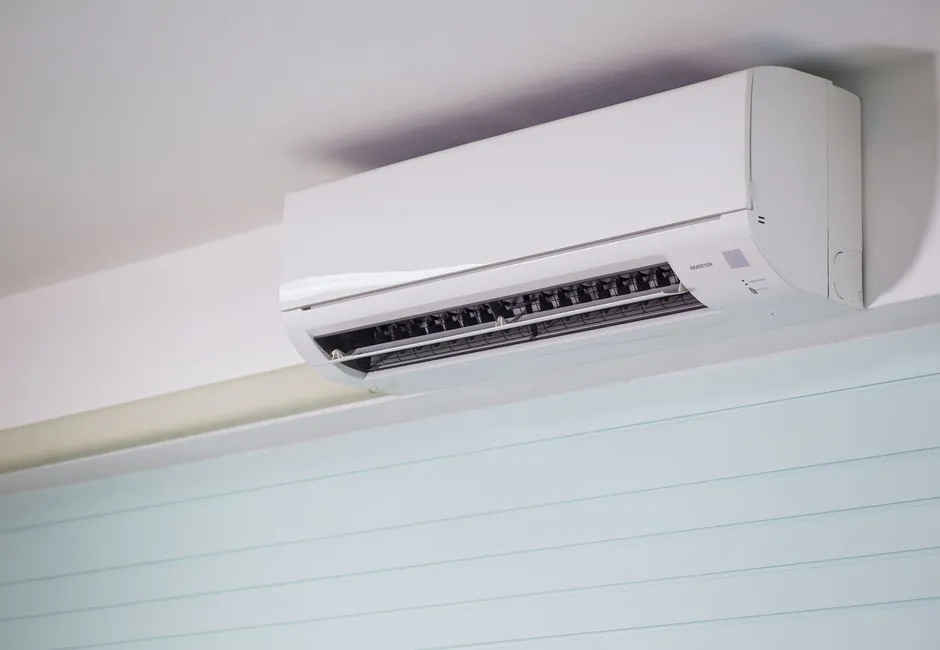
What Is a Ductless Air Conditioner? How It Works in an Ontario Home
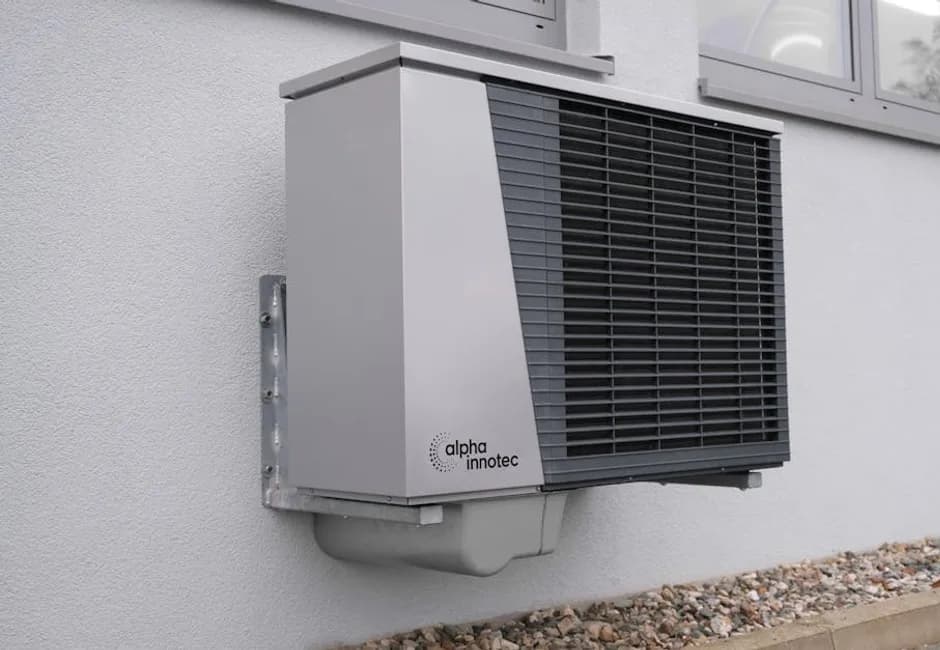
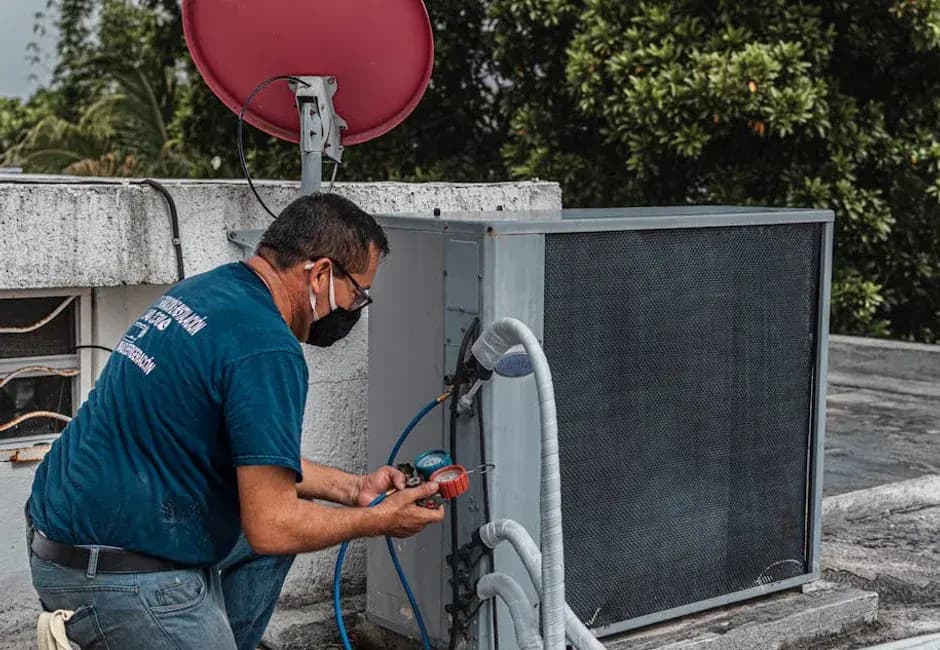
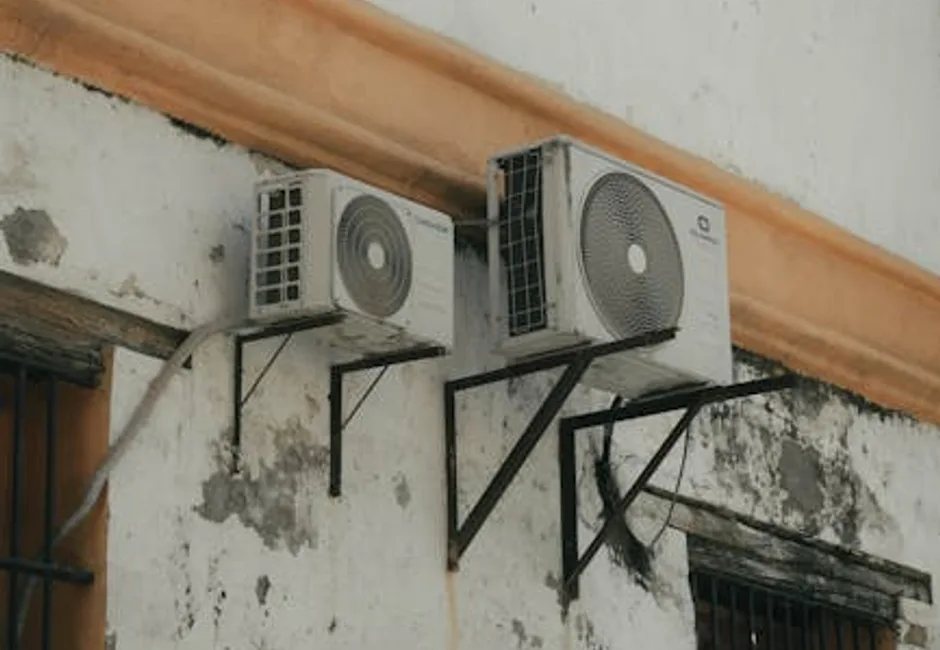
The slim white unit high on the wall is a ductless air conditioner. Here is how it works, why it needs no ducts, and which Ontario homes it actually suits.

Stay ahead of rising energy costs, government rebates, and the latest HVAC technology. Written by our certified technicians practical, honest, and Canada-specific.

Most Ontario homes with an HRV were handed the keys and no instructions. The humidity dial is the setting that matters, it needs to move as the weather does, and your windows tell you when it is wrong.

The step-by-step way to claim an Ontario heat pump rebate in 2026: pick a participating contractor, get pre-approval before anything is installed, then claim. Plus what stacks on top (smart thermostat, water heater, insulation), which programs have closed, and when the cheque arrives. For the amount your home qualifies for, see our heat pump rebates hub.

The furnace-vs-heat-pump debate has a real answer in 2026 and it depends on your home, heating habits, and budget. Here's an honest, in-depth breakdown from an HVAC technician who installs both every week.

Not all heat pumps handle Ontario winters. We tested and reviewed the top cold-climate models Mitsubishi, Daikin, Bosch, Carrier, and LG that reliably heat homes when temperatures drop below -25°C.

Indoor air can carry higher levels of some pollutants than outdoor air, and tightly sealed, energy-efficient homes are making it worse. Here's what's actually in your air and what HVAC upgrades will fix it.

Manufacturers have moved new home AC and heat pump lines from R410A to R-454B and R-32, driven by US rules and a shared supply chain. If you have a central air conditioner or heat pump using this refrigerant, here's what changes with the switch to R-454B and R-32, and what you should do next.

Everyone is talking about heat pumps. But are they actually worth it for an Ontario home in 2026? We cut through the hype and give you honest numbers: upfront costs, monthly savings, winter performance, and the situations where a gas furnace still wins.

Buying a furnace in Toronto or the GTA is one of the biggest home decisions you'll make. This guide covers every type, every efficiency rating, and every factor that matters - so you choose right the first time.

A heat pump is a year-round workhorse in a GTA home. This heat pump maintenance guide covers how often to service the system plus a seasonal checklist for spring, summer, fall, and winter that keeps it running at peak efficiency and catches problems before they become expensive repairs.

Your furnace dies at 11 PM in January. Your AC stops cooling during a July heat warning. Here's exactly what happens when you call EcoFrost for 24-hour emergency HVAC repair in Toronto - response times, pricing, and what we can fix same night.

An annual AC tune-up in Mississauga is the single best investment you can make before summer. For less than $150, a certified technician catches many of the problems that cause air conditioner failures during peak heat season.

Toronto condos and apartments are exactly where ductless mini-splits excel. No ducts to route, no major structural work, heating and cooling for specific rooms - and energy savings that often top 30% vs. baseboard heat. Here's what condo owners need to know.

Installing a new gas furnace in Mississauga is a major investment that pays dividends in comfort, energy savings, and reliability for 15 to 20 years. Here is everything Mississauga homeowners need to know: process, costs, brands, and why the contractor you choose matters as much as the equipment.

Most furnace failures in the GTA do not happen without warning. Strange sounds, yellow flames, rising gas bills, and uneven heating are all early signals. This checklist helps GTA homeowners catch furnace problems early - before a breakdown.

When temperatures drop below -10°C, the air inside a Toronto home can be drier than the Sahara Desert. A whole-home humidifier connected to your furnace solves that permanently: no portable units, no refilling, no white dust.

Mississauga tap water averages about 120 to 130 mg/L of hardness. That scale slowly builds up in your water heater, fixtures and appliances. A whole-home water softener stops it at the source.

Your Goodman furnace is flashing a code and you have no heat. Here is what the common flash codes mean on typical Goodman control boards, which checks are safe to do yourself, and when to call a technician.

Your Carrier furnace has stopped and is flashing a fault code. This guide explains how to read the two-digit flash codes on modern Carrier boards, what the common codes mean, and which checks are safe to do yourself.

The honest answer is: most Ontario furnaces last 15-20 years with annual maintenance, and up to 25 with excellent care. But the majority of furnaces we replace were only 12-15 years old - and failed early because of neglected maintenance, improper sizing, or poor installation.

Not every furnace breakdown means replacement. But some signs tell you clearly that continued repairs are throwing money at a dying system. Here are the 8 signals we look for when advising GTA homeowners on repair versus replace.

A hybrid heat pump system pairs an electric heat pump with your existing gas furnace. The heat pump handles most of your heating at a fraction of the gas cost - the furnace takes over below a switchover point your installer sets, commonly around 0 to -5 degrees for cost at current Ontario rates, or lower if you want to cut gas use. Here is everything you need to know about hybrid systems in Ontario.

Your heating bill jumped and you are not sure why. Before calling your gas company to dispute the bill, check these 9 common causes - some are DIY fixes that take 5 minutes, others require a technician, and a few point to a furnace that needs replacement.

Your Lennox furnace is trying to tell you something. Newer Lennox furnaces show E-codes on a small digital display on the control board. This guide explains the common codes, which checks are safe to do yourself, and when to call a technician.

Your AC is running but something feels off. Before you spend money on repairs, find out whether your system is worth fixing or whether a new unit will save you more in the long run.

Getting a new furnace in Ontario? Prices range from $2,800 for an entry-level single-stage 96% AFUE unit to $10,000 for a top-tier modulating furnace. Here is the complete cost breakdown including equipment, installation, permits, and the rebates you can use to reduce the total.

AC repair in Ontario runs $150-$2,000 depending on the fault. A new central air conditioner installed costs $2,800-$7,500. A heat pump upgrade costs $4,500-$10,000 and may qualify for up to $7,500 in rebates (non-gas homes; $2,000 for gas-heated homes). Here is the full breakdown.

Your furnace is not starting and the house is getting cold. Before calling a technician, run through these 8 checks - more than half of no-heat service calls are caused by issues a homeowner can resolve in minutes.

A new furnace or heat pump is one of the largest home expenses you will face. But most Ontario homeowners do not pay the full amount upfront. Here is how HVAC financing and payment plans work, what questions to ask, and how to combine financing with rebates for the lowest possible out-of-pocket cost.

Picking the wrong AC size costs you 20 to 35 percent more on cooling bills and shortens equipment life. We walk through exactly how to size a central AC for your Mississauga or GTA home, including BTU rules, load factors and the test we run on every install.

Gas water heaters typically cost less to operate in Ontario, but electric units win on installation cost and rebate eligibility. We break down the real numbers GTA homeowners face in 2026 and tell you which one wins for your home.

Our techs install 30+ smart thermostats every month across the GTA. We compare the five units we actually recommend in 2026, including price, time-of-use compatibility for Ontario rates, and which work with your existing HVAC.

Both cool. Both run on inverter compressors now. The choice depends on whether you have ductwork, how many zones you need, and whether you want heat pump heating bundled in. Our 2026 comparison for GTA homeowners.

Furnace started making a terrifying noise at 2am? Furnace noise is one of the most common winter calls we handle. Here is what each sound means, which ones are dangerous, and which you can ignore until morning.

AC dripping water inside your Mississauga home? Most causes have a $150 to $450 fix. A few cause drywall and floor damage fast if you wait. Here is what to do in the first 60 seconds, and what each leak source means.

Spring is the right window for AC tune-up in the GTA. Catch problems before the first 30C day in June and avoid the June service rush. Our 12-point checklist for Mississauga homeowners.

A tankless water heater in Ontario costs $2,800-$5,500 fully installed in 2026. Rinnai, Navien, and Noritz dominate the market with similar pricing. Conventional gas tankless units have no active 2026 rebate (the $1,000 Enbridge program closed Dec 31 2025); a heat-pump water heater can qualify for a $500 HRS rebate instead, with a home energy assessment and at least one other upgrade. Here is the full breakdown by brand, size, and install scenario.

Your AC is running but the house is not cooling down. This happens to thousands of Ontario homeowners every summer. Here are the 14 real causes, what to check yourself, what to leave to a TSSA-certified tech, and what each fix typically costs.

It is -22°C, snow is falling, and your furnace just stopped. What you do in the next 30 minutes matters. This is the GTA-specific emergency action playbook for when your heat dies during a winter storm: safety first, temporary heat options that will not kill you, and how to get a tech dispatched even when every contractor is overloaded.

Your CO alarm is sounding. The next 60 seconds matter. This guide walks through exactly what to do, who to call in what order, and how to figure out whether your furnace, water heater, fireplace, or something else is the source. Written for Ontario homeowners by a TSSA-certified HVAC team.

HRVs win in dry Ontario winters. ERVs win in humid southern climates. But not every Ontario home is a pure HRV pick. Here is when each one is right for a GTA home.

Air purifier prices in Ontario vary widely. Portable HEPA units start at $200; whole-home HVAC-integrated systems run $700 to $2,500 installed. Here is what to budget and which makes sense.

When pollen counts spike from March through June, your HVAC is either your worst enemy or your best defense. The difference comes down to 5 things you control.

Most residential mold in Ontario starts at one of 5 HVAC-adjacent failure points. Catching them costs $150 to $400 in service; ignoring them can cost $5,000+ in remediation.

Heat pump pricing in Ontario varies wildly by system type and home size. Honest installed prices from a 10-year GTA contractor, after rebates math, and what each tier actually gets you.

Ductless mini-split prices in Ontario 2026 break down by zone count and capacity. Honest GTA prices with rebate math and which homes actually need ductless vs central.

Gas line installation prices in Ontario depend on the appliance, distance to the main, and permit requirements. Real 2026 GTA prices broken down by use case.

Boiler installation in Ontario costs $4,000 to $11,000 depending on type. Honest 2026 GTA prices, when combi makes sense, replacement vs new, and the right brand for your home.

Property managers need real numbers, not "depends." Honest 2026 commercial HVAC pricing for Toronto and the GTA covering RTU service, replacements, maintenance contracts, boiler swaps, and ductless installs.

Restaurant HVAC is its own discipline: kitchen exhaust, make-up air, dining-room comfort, and ventilation code all interact. This guide breaks down each system, 2026 GTA pricing, and the inspection traps Toronto restaurant owners hit.

Office building HVAC choices set tenant comfort, electricity bills, and capital budgets for the next 20 years. This guide compares RTU vs VRF for Toronto office buildings, 2026 pricing, and the tenant complaints that signal trouble.

Not every heat pump brand is built for a Canadian winter. This honest 2026 guide compares Mitsubishi, Lennox, Daikin, Carrier, Bosch, and Goodman on cold-climate performance, price, warranty, and rebate eligibility, so you can pick the right brand for your home and climate.

A tankless water heater, also sold as an on-demand water heater, heats water only as you draw it. Here is how that works, whether gas or electric suits your home, and which brands last. Rinnai, Navien, Noritz, Rheem and A.O. Smith on reliability, efficiency, price, warranty, and flow rate for Canadian homes.

A central AC is a 15-year purchase. This honest 2026 guide compares Lennox, Carrier, Trane, Daikin, Goodman, and Bosch on efficiency, reliability, noise, price, and warranty, so you can pick the right brand for your Canadian home.

High-efficiency furnaces produce condensate that has to drain away. When the drain line clogs, freezes, or backs up, the furnace shuts off on a safety switch. Here is how to diagnose and clear a furnace condensate drain problem.

The capacitor is the small part that gives your air conditioner the jolt it needs to start. It is also one of the most common failures. Here are the signs of a bad AC capacitor, what replacement costs in Ontario, and why it is not a DIY fix.

If your furnace lights and then shuts off a few seconds later in a repeating cycle, a dirty flame sensor is the most likely cause. Here is what the flame sensor does, how to clean it, and when it needs replacing.

A heat pump blowing cold air when it should be heating is alarming, but some of it is completely normal. This guide separates the normal defrost cycle from the real faults, and shows what to check before calling a technician.

A water heater that stops making hot water is one of the most disruptive home failures. The cause depends on whether it is gas or electric. Here is how to diagnose no hot water and what you can safely check before calling for service.

Water that is suddenly too hot to touch is a safety problem, not just a comfort one. The cause is usually a setting, a failed thermostat or control, or a mixing valve. Here is how to narrow it down and what to do right away.

A thermostat that goes blank or stops controlling your furnace or AC is often a dead battery, a tripped breaker, or a missing C-wire, not a broken system. Here is how to troubleshoot it, including brand-specific notes for Honeywell, Nest, and ecobee.

Some furnace smells are harmless and clear on their own; others are an emergency. This safety-first guide explains what a burning, gas, rotten-egg, plastic, musty, or sewage smell from your furnace means and exactly what to do about each.

Installing a furnace filter backwards is one of the most common DIY mistakes, and it quietly hurts your airflow and air quality. The rule is simple: the arrow on the filter frame points toward the furnace. Here is how to get it right every time.

Most air conditioner smells trace back to moisture and mould inside the system, and are a straightforward fix. But a rotten-egg or burning smell can signal a gas leak or an electrical fault. Here is what each AC smell means and what to do.

A tank water heater costs less upfront; a tankless one lasts twice as long and never runs out of hot water. This honest comparison breaks down cost, lifespan, efficiency, and space so you can choose the right water heater for your Ontario home.

When your furnace blows cold air, the most common reason is the simplest: the thermostat fan is set to ON instead of AUTO, so it runs even between heating cycles. But cold air can also signal overheating, a dirty flame sensor, or ignition failure. Here is how to tell them apart.

Where your water heater is leaking tells you almost everything. A leak from the top is often a fixable fitting or valve; a leak from the bottom usually means the tank itself has corroded and needs replacing. Here is how to find the source, what to do right now, and when it is time to replace.

A furnace that keeps turning on and off every few minutes is short cycling. It wastes gas, wears out parts, and never properly heats your home. Here are the 8 real causes, ranked from the $0 fix to the ones that need a licensed technician.

When you replace a furnace in Ontario, one of the biggest choices is single-stage versus two-stage (and modulating). The difference changes your comfort, your gas bill, and your upfront cost. Here is a plain-English comparison and which one is actually worth it.

GTA summers are humid, and a damp basement or sticky upstairs is more than uncomfortable, it feeds mould and dust mites. A whole-house dehumidifier can fix it, but it is not cheap. Here is what it does, who actually needs one, and whether it is worth it.
Our certified technicians serve Toronto, Mississauga, Brampton, Vaughan, Markham, and the entire GTA. Same-day service available.