
A sudden spike in your heating bill is almost never just the weather. In most cases there is a specific cause - and fixing it can save $200-$800 per year. Here are the 9 most common reasons GTA homeowners pay more than they should for heat.
Dirty Air Filter
This is the most common cause of high heating bills - and the easiest fix. A clogged filter forces the furnace to work harder to push air through, running longer cycles to reach the set temperature. A standard 1-inch filter should be replaced every 1-3 months. If your filter is grey and dense, swap it today. This single change can lower gas consumption by 5-15%.
An Aging, Inefficient Furnace
A furnace that was 80% efficient when installed 20 years ago may now deliver less than its rating due to degraded heat exchanger performance, fouled burners, and worn blower components. At best, 20 cents of every gas dollar goes up the flue. A new 96% AFUE furnace typically cuts fuel use by about 15-20% versus an 80% unit.
Thermostat Misconfiguration
A thermostat in the wrong mode, with incorrect scheduling, or with a failing temperature sensor can cause the furnace to run more than necessary. Check that your thermostat is set to "auto" (not "on" for the fan), that the schedule is accurate for your actual occupancy, and that the temperature reading matches an independent thermometer in the same room.
Air Leaks Around Windows and Doors
Heating a leaky house is like heating the outdoors. Air infiltration through window frames, door seals, attic hatches, and electrical outlets is responsible for 25-40% of heat loss in older GTA homes. Weather-stripping and caulking are cheap - a few hours of DIY work can make a noticeable difference on your gas bill.
Poor Attic Insulation
Heat rises. If your attic has insufficient insulation (less than R-50 in Ontario's climate), you are losing a significant fraction of your heating investment through the ceiling. This is one of the highest-ROI home improvements available - and attic insulation qualifies for a Home Renovation Savings Program rebate of up to $1,250 without an energy assessment.
Furnace Short-Cycling
A furnace that turns on and off rapidly (short-cycling) uses more gas than a furnace running in long, steady cycles. Short-cycling is usually caused by an oversized furnace, a tripping high-limit switch (dirty filter), or a failing control board. If your furnace runs for only a few minutes before shutting off and immediately restarting, it needs a technician.
Leaky or Uninsulated Ductwork
Up to 30% of forced-air heat can be lost through duct leaks and uninsulated ducts in cold spaces like garages and crawlspaces. Duct sealing (using mastic or foil tape) and duct insulation are inexpensive upgrades that directly lower heating costs. EcoFrost can inspect and seal your ductwork as part of a tune-up service.
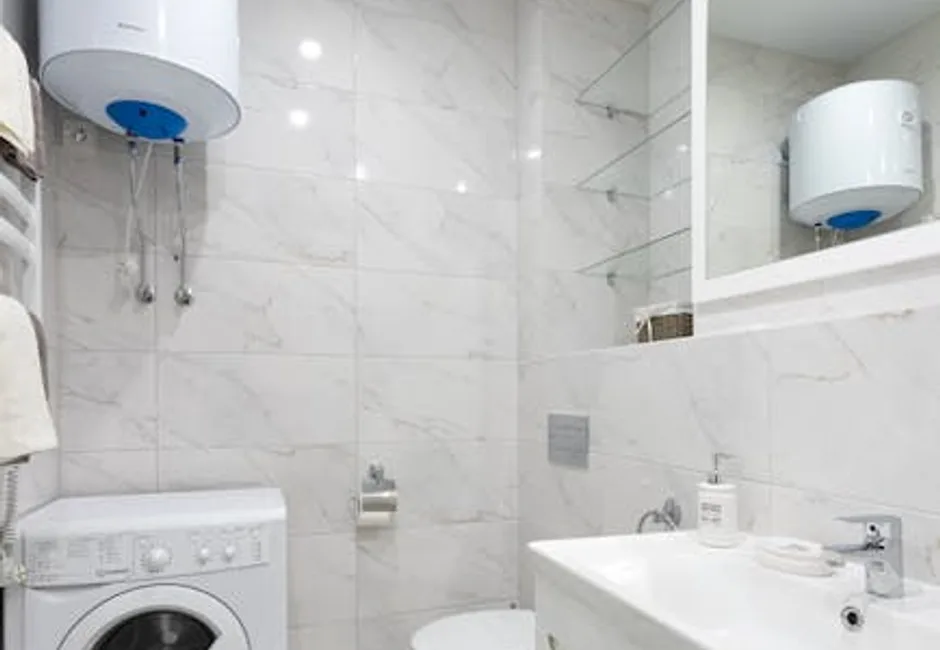
Water Heater Running in Heating Mode
Combination heating systems (boilers, combi units) and some radiant floor systems can have efficiency issues that show up on your gas bill. If you have a combi unit or boiler and your bill spiked without a weather change, the heating side may need servicing.
Enbridge Rate Change
Enbridge adjusts its gas rates every quarter (the federal carbon charge was removed on April 1, 2025, which lowered bills). Before diagnosing a mechanical issue, compare your consumption in cubic metres (not just dollar cost) year-over-year. Enbridge shows both on your bill. If consumption is the same but cost is higher, it is the rate - not your furnace.
How Much Should Heating Cost in Ontario?
A typical detached GTA home (1,500-2,000 sq ft, built 1990-2010) with a 96% AFUE furnace should spend $1,200-$1,800 per year on natural gas for heating. Homes with older 80% AFUE furnaces typically spend $1,600-$2,400. Poor insulation or air sealing can push this to $3,000+ per year. If your annual gas costs exceed $2,000 for a mid-size home, there is almost certainly room for improvement.
Fastest ROI Fixes (Start Here)
- Replace air filter - 5 minutes, $15-$30, immediate impact
- Adjust thermostat schedule - 10 minutes, free
- Seal air leaks with weatherstripping and caulk - 2-4 hours, $50-$150
- Book a furnace tune-up - improves efficiency, catches problems, $149 flat
- Add attic insulation - quotes from $1,500-$3,000, 3-5 year payback with rebates
Ready to take the next step?
Book a Furnace Efficiency Tune-Up?Frequently Asked Questions
My heating bill doubled this winter - what should I do?
How much can I save with a more efficient furnace?
Does leaving the thermostat at a steady temperature save money vs. turning it down at night?
Can duct cleaning lower my heating bill?
EcoFrost Heating & Cooling
Toronto's Trusted HVAC Experts Since 2015
Our certified HVAC technicians have completed 15,000+ installs across the Toronto area. We write about heating, cooling, and air quality from real field experience not marketing copy. Learn about us →