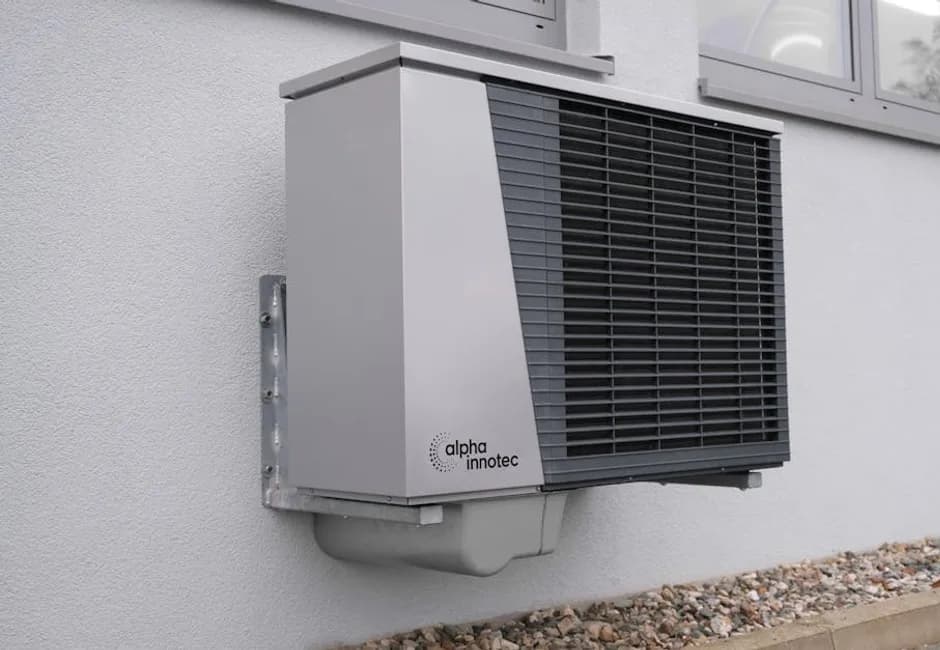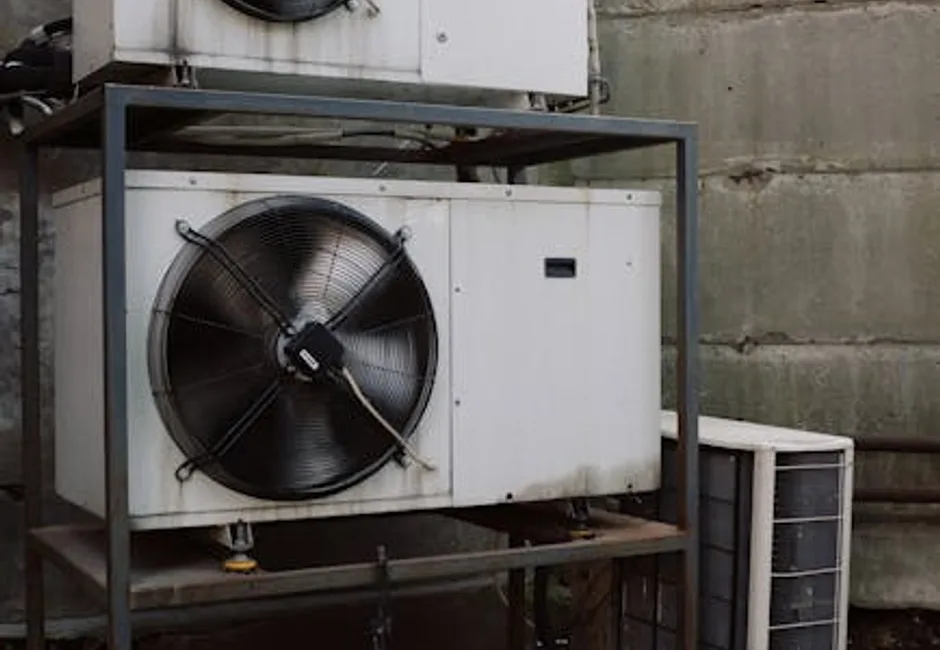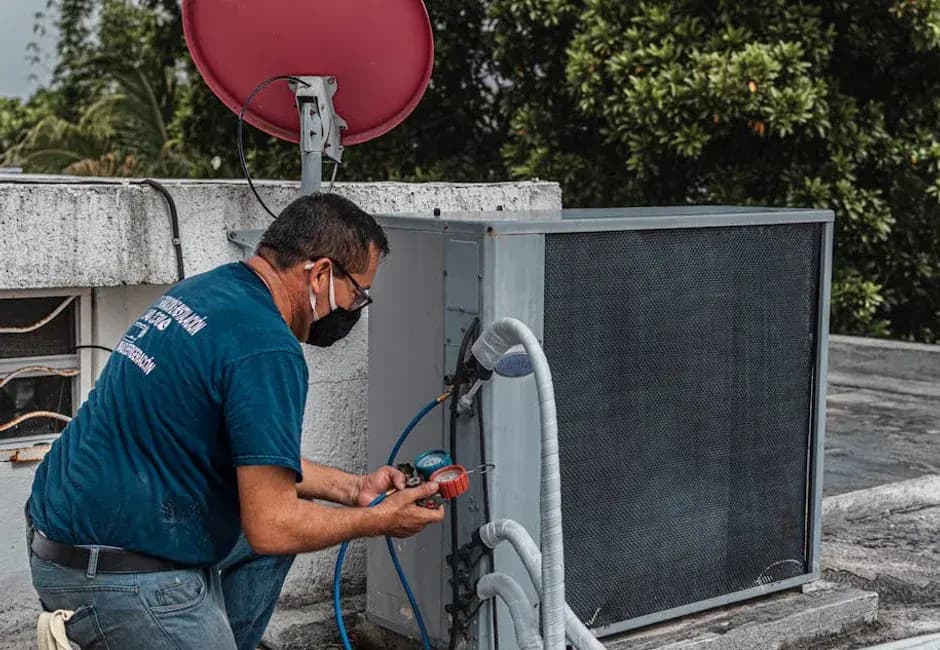
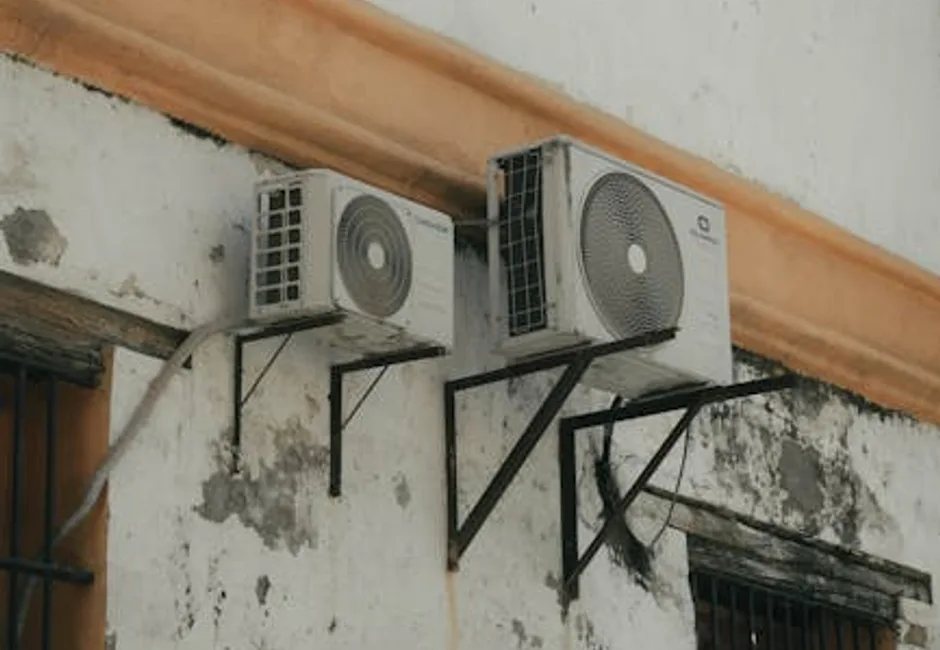
Our techs design both central AC and ductless mini-split systems every week across the GTA. The right answer depends on three factors: whether you already have ductwork, how many zones you want to control independently, and whether you also want a heat pump for winter heating. Here is the 2026 comparison.
Quick Verdict
Central AC wins for whole-house cooling in homes that already have ductwork, where one thermostat is enough and you want the equipment out of sight. Ductless mini-split wins for additions, condos, basements, and any home where you want each room on its own setpoint or where ductwork would cost more than the AC itself.
Side-by-Side Comparison
| Factor | Central AC | Ductless mini-split |
|---|---|---|
| Upfront cost (2026 GTA) | $3,500 to $9,000 | $3,800 single-zone to $14,000 multi-zone |
| Install time | 1 day | 1 day single-zone, 2 days multi-zone |
| Ductwork required | Yes | None |
| Zoning | Whole house, one temp | Each head independent |
| Efficiency (SEER2) | 16 to 22 | 19 to 33 |
| Aesthetic | Outdoor unit plus interior registers | Outdoor unit plus visible wall heads |
| Lifespan | 12 to 15 years | 15 to 20 years |
| Top rebate stack | No active AC rebate | Up to $7,500 (non-gas homes) (HRS heat pump) |
| Heating included | No | Yes, with cold-climate models down to -25C |
Central AC Wins For
- Homes with existing functional ductwork
- 2,000 plus square feet on a single thermostat zone
- Homeowners who prefer hidden equipment over visible wall units
- Tight budgets under $5,000 with mid-range efficiency requirements
- Replacement of an existing central AC where the lineset and pad are reusable
Ductless Mini-Split Wins For
- Room additions, attic conversions and garage offices
- Condos and townhomes without ductwork access
- Homes where you want each bedroom or floor on a separate setpoint
- Heat pump installations that need to handle both heating and cooling
- Older Toronto homes with hot water radiators where central AC would require expensive duct routing
2026 Cost in Ontario
A 3-ton single-stage central AC installed in Mississauga runs $3,500 to $5,500. A 4-ton variable-speed central AC with inverter compressor and ECM blower upgrade runs $7,000 to $9,000. A single-zone Mitsubishi Hyper-Heat mini-split (one indoor head, 12,000 BTU) runs $3,800 to $5,500. A 3-zone Mitsubishi multi-split with three indoor heads runs $9,000 to $13,000.
Ductless Is Not the Niche Option Anymore
Homeowners often assume ductless is a fringe choice for awkward rooms. National shipment data says otherwise. In the first half of 2026, Canadian manufacturers and wholesalers shipped 101,761 ductless split systems against 98,249 ducted residential air conditioners, so ductless now moves in the same volume as traditional central AC.
One caveat changes what that number means, so we will state it plainly: HRAI counts heat pumps and cooling-only condensers together in its ductless category, so this is not evidence that 101,761 Canadian homes added heat pump heating. What it does tell you is that ductless equipment, parts and trained technicians are widely available rather than specialised, which matters for service and warranty work over the next fifteen years.
Source: HRAI Q2 2026 Canadian HVACR Shipments Report, published July 27, 2026. Both categories fell against 2025, ductless by 17% and ducted residential AC by 15%.
Rebate Stack Tips the Math
A cold-climate heat pump mini-split qualifies for the Home Renovation Savings Program (HRS): up to $7,500 for a non-gas home ($2,000 for a natural-gas home), or up to $12,000 for geothermal. A central AC has no active 2026 rebate (the legacy Enbridge HER+ closed Dec 31 2025). For Ontario homes that qualify, the rebate often makes a heat pump mini-split cheaper than a central AC over a 10-year ownership window.
Book a free in-home assessment. We will show you what each option costs for your exact home and how much rebate money applies.
Book Free QuoteCan I Mix Both?
Yes. The most common hybrid is a central AC plus heating system on the main floors paired with a ductless mini-split serving an attic conversion, a basement or a garage. Our techs install hybrid systems every week. The two systems share no equipment but they coexist cleanly.
?Frequently Asked Questions
Can I convert from central AC to ductless mini-split in my Mississauga home?
Are ductless mini-splits noisier than central AC?
How many indoor heads do I need in a typical Toronto home?
Do ductless mini-splits provide heat in Ontario winters?
Which option holds its resale value better in Ontario?
EcoFrost Heating & Cooling
Toronto's Trusted HVAC Experts Since 2015
Our certified HVAC technicians have completed 15,000+ installs across the Toronto area. We write about heating, cooling, and air quality from real field experience not marketing copy. Learn about us →