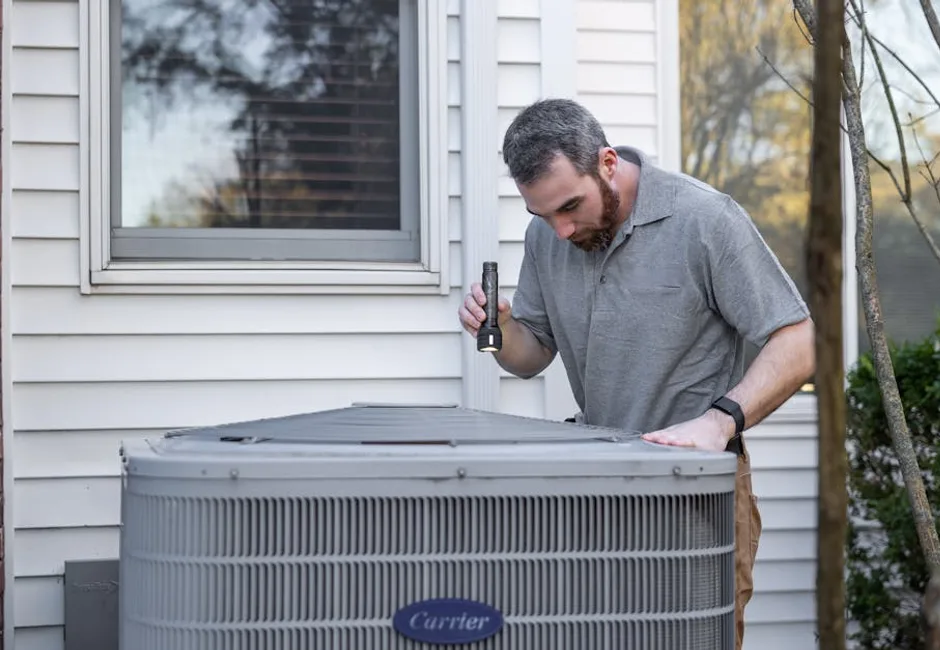
Updated August 2026: Ontario's Home Renovation Savings Program offers up to $7,500 for a qualifying cold-climate air-source heat pump in a non-gas home (up to $2,000 in a natural-gas home, or up to $12,000 for geothermal) and replaced the Enbridge HER+ rebate at the end of 2025. After that rebate, installing a cold-climate heat pump can cost close to a high-efficiency gas furnace. Running costs are roughly similar to a modern gas furnace at current rates, and a heat pump also replaces your air conditioner. I've installed hundreds of systems across the GTA, and this guide gives you the honest numbers your neighbours wish they'd seen before they bought.
The Core Difference: How They Work
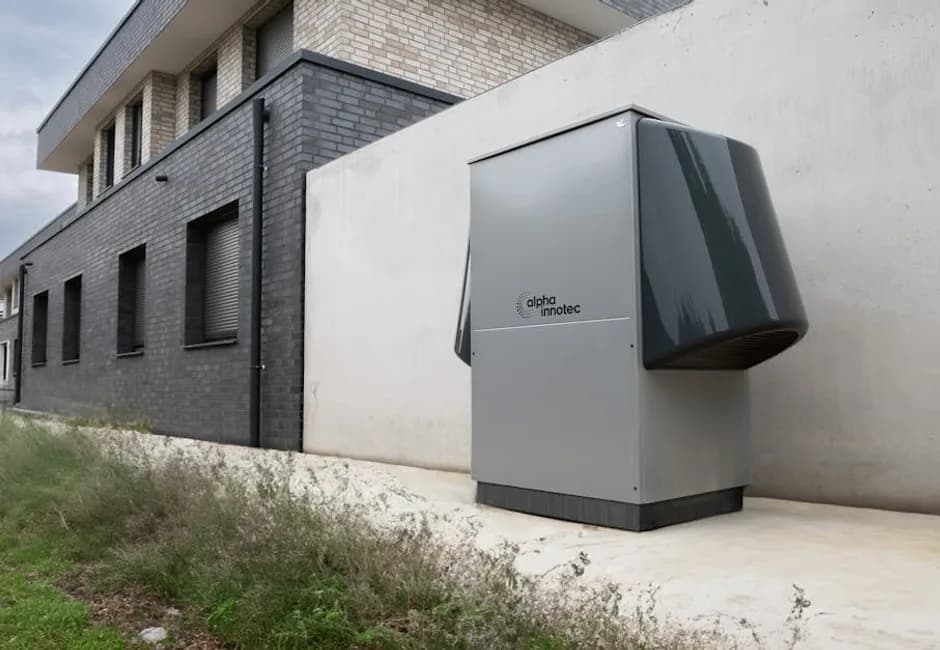
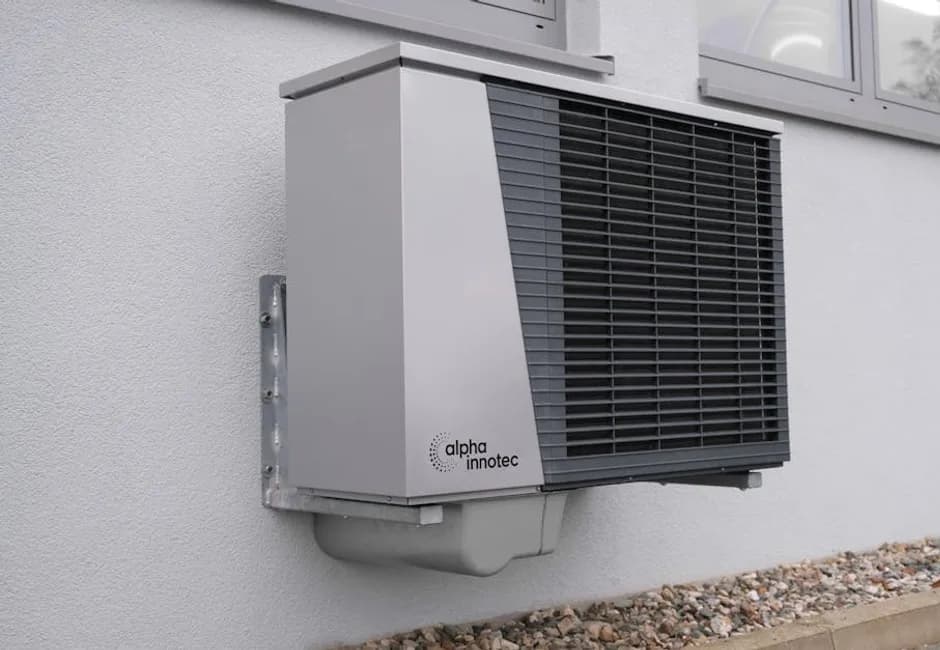
A gas furnace burns natural gas to generate heat, which is then distributed through your ductwork. Simple, reliable, and very effective on the coldest Canadian nights. A heat pump, on the other hand, doesn't generate heat it moves heat from one place to another, like a fridge running in reverse. In winter, it extracts heat energy from outdoor air (even at -20°C) and transfers it inside. In summer, it reverses to cool your home. One machine, year-round comfort.
Head-to-Head Comparison
| Factor | Gas Furnace | Heat Pump |
|---|---|---|
| Efficiency (mild weather) | 95-98% AFUE | 300-400% COP |
| Efficiency (-20°C) | Consistent 95-98% | 100-200% (cold-climate models) |
| Installation Cost | $3,000-$6,000 | $5,000-$14,000 |
| Operating Cost (annual avg.) | $1,000-$1,400 | $1,000-$1,500 (similar at 2026 rates) |
| Lifespan | 15-20 years (up to 25 with good maintenance) | 15-20 years |
| Cooling included | No (need A/C separately) | Yes dual heating + cooling |
| Government rebates (2026) | Minimal | Up to $7,500 (air-source) (non-gas homes) / $12,000 (geothermal) |
| Carbon footprint | High (burns gas) | Low to zero (uses electricity) |
| Best for Ontario winters | ✅ Proven reliable | ✅ With cold-climate rating |
The Real Cost Comparison
Installation price is only part of the story. Let's look at total cost of ownership over 15 years for a typical 2,000 sq ft Toronto home:
| High-Efficiency Gas Furnace | Cold-Climate Heat Pump | |
|---|---|---|
| Installation | $5,500 | $7,500 |
| Less: HRS rebate (natural-gas home) | - $0 | - $2,000 |
| Net installation cost | $5,500 | $5,500 |
| Annual heating energy cost | About $1,100 | About $1,100-$1,250 |
| 15-year energy cost | About $16,500 | About $16,500-$18,750 |
| 15-year total cost | About $22,000 | About $22,000-$24,250 |
What About Ontario's Extreme Cold?
This is the #1 concern I hear from homeowners. The good news: modern cold-climate heat pumps (like the Mitsubishi Hyper-Heat H2i, Daikin FIT Cold Climate, Bosch IDS 2.0, and Lennox MLA) specifically target places like Toronto, Ottawa, and Sudbury. The best of them hold full rated capacity to about -15°C and keep operating, at reduced capacity, down to roughly -25°C to -30°C depending on the model. That said, on your coldest nights (think -35°C windchill), a gas backup in a hybrid system provides the ultimate peace of mind.
The Hybrid System: Best of Both Worlds
A hybrid HVAC system pairs a heat pump with a gas furnace as a backup. The system switches automatically: the heat pump handles heating above the switchover point, and the furnace takes over below a switchover point set by your installer: commonly around 0 to -5°C for lowest cost at current Ontario rates, or lower (about -10 to -15°C) if you want to cut gas use further. This gives you maximum energy savings while never worrying about cold nights.
Who should consider a hybrid system?
- Homeowners in areas with very cold winters (Ottawa, Kingston, Northern Ontario)
- People who prefer gas as a backup but want to cut energy costs
- Homes with existing ductwork sized for a gas furnace (heat pumps move more air volume)
- Homeowners who want to qualify for both gas efficiency rebates and heat pump incentives
When to Choose a Gas Furnace in 2026
- Your home is already connected to natural gas and your furnace is under 12 years old
- Budget is the top priority and you can't wait for rebate processing
- You live in a rural area with unreliable electricity during storms
- Your electrical panel can't support the additional load without costly upgrades
- You're planning to sell within 2-3 years and ROI matters more than long-term savings
When to Choose a Heat Pump in 2026
- Your furnace is 15+ years old and needs replacement anyway - get a free quote on heat pump installation across the GTA
- You also need a new air conditioner (a heat pump replaces both)
- You want the option to drop gas service entirely and save the roughly $330 a year Enbridge customer charge
- You heat with electricity, oil, or propane, so you qualify for the full $7,500 HRS air-source rebate ($12,000 for geothermal)
- Your home has good insulation and your electrical panel is 200-amp
- You want to reduce your carbon footprint
For the 12-year total cost of ownership on a real 2,000 square foot Mississauga home, the efficiency curve by outdoor temperature, and an Erin Mills hybrid install with the actual invoice and rebate, see our heat pump vs gas furnace cost comparison. This guide covers how the two systems work and which one fits your house; that page carries the numbers.
Our Honest Recommendation
For most GTA homeowners replacing an aging furnace in 2026, a cold-climate heat pump or a heat pump/furnace hybrid is the better long-term choice. A heat pump replaces both your furnace and your air conditioner, and at current Ontario rates it costs roughly the same to run as a modern gas furnace (and much less than oil, propane or electric baseboard). For homes with newer furnaces just needing maintenance, there's no rush to switch.
Ready to take the next step?
Book a Free Home Assessment | We'll Tell You Which Is Right?Frequently Asked Questions
Is a heat pump cheaper to run than a gas furnace in Ontario?
Can a heat pump replace a furnace entirely in Ontario?
What is the cost difference between a furnace and a heat pump in Ontario?
How long does a heat pump last compared to a gas furnace?
What is a hybrid heat pump system and is it a good option for Ontario?
Do heat pumps work in Ontario winters as cold as -30°C?
Is a hybrid heat pump system better than a full heat pump in Ontario?
What HSPF2 rating should I look for in a heat pump for Ontario?
How do I know if my home is suitable for a heat pump?
EcoFrost Heating & Cooling
Toronto's Trusted HVAC Experts Since 2015
Our certified HVAC technicians have completed 15,000+ installs across the Toronto area. We write about heating, cooling, and air quality from real field experience not marketing copy. Learn about us →