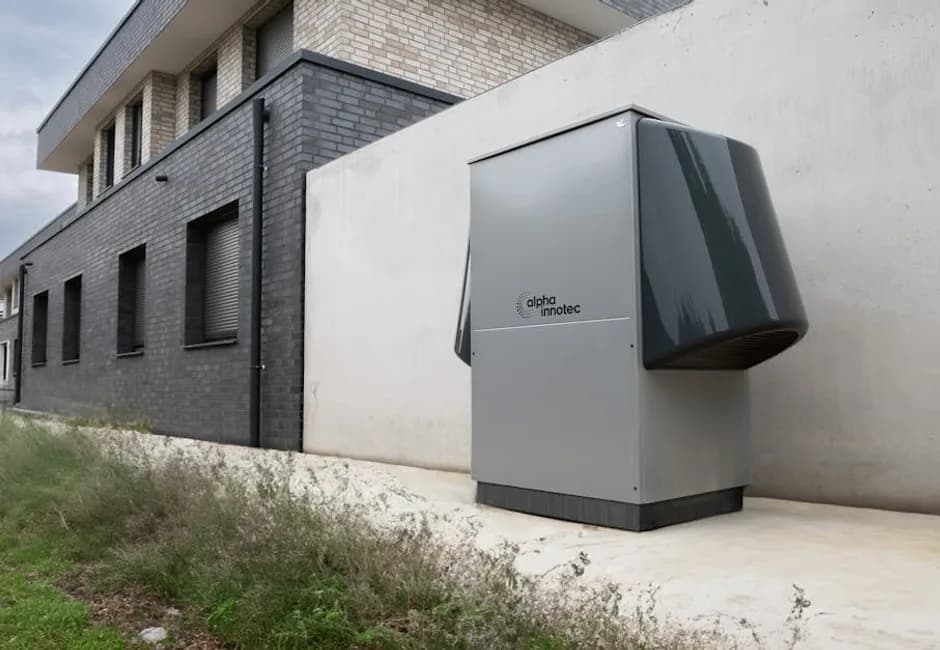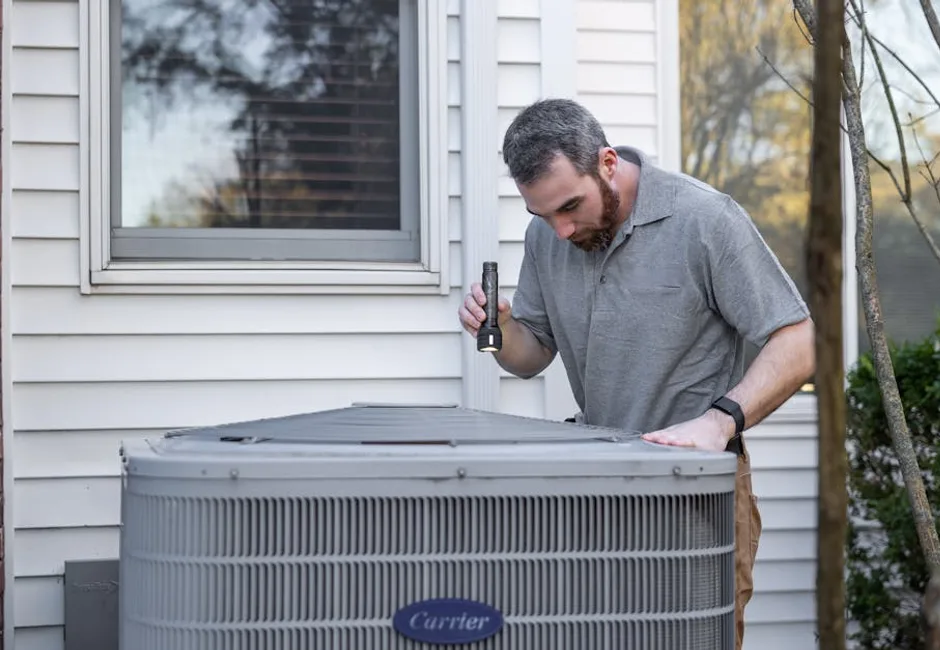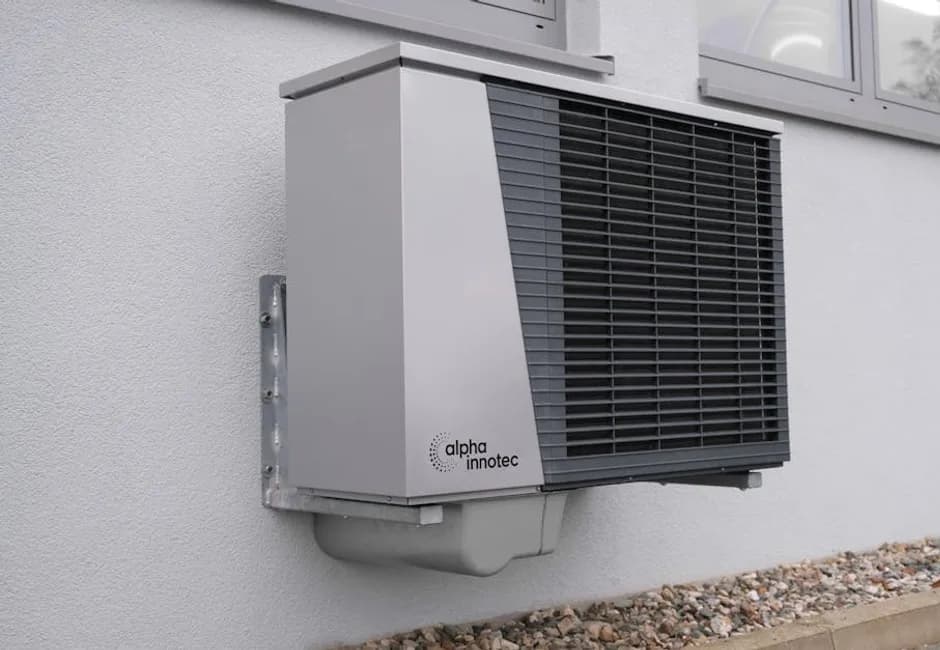
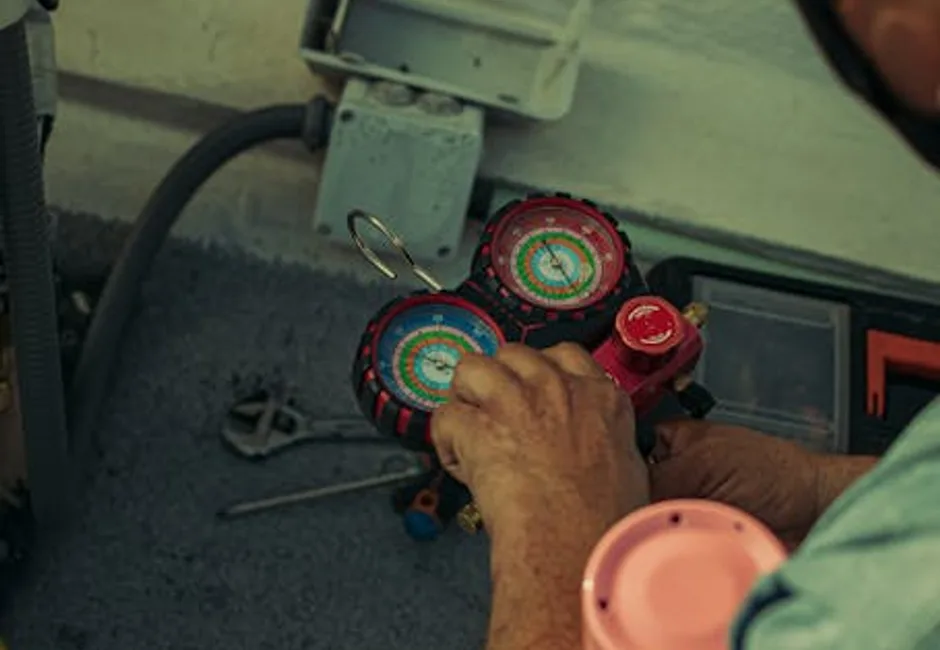
Unlike a furnace that sits idle from May to October, your heat pump runs 12 months a year - cooling in summer, heating in winter, dehumidifying in shoulder seasons. That year-round operation means maintenance cannot be seasonal afterthought. A properly maintained heat pump lasts 15 to 20 years and runs noticeably more efficiently than a neglected one.
How Often Should a Heat Pump Be Serviced?
A heat pump needs a professional tune-up once a year, plus simple homeowner tasks every month. Because a heat pump both heats and cools, it logs roughly twice the running hours of a furnace or an air conditioner alone, so annual servicing is not optional. Book the professional visit in spring before the cooling season or in fall before the heating season. Between visits, the monthly and seasonal tasks below keep efficiency high and catch small problems before they turn into a no-heat or no-cool call.
Monthly Tasks (Year-Round)
- Check air filter - replace 1-inch filters monthly, 4-inch media filters every 3 to 6 months
- Inspect thermostat settings and verify correct operation
- Check outdoor unit for debris accumulation around the base
- Listen for new noises: rattling, grinding, or squealing that was not there before
Spring Maintenance Checklist (March - April)
Spring is the ideal time to service a heat pump before the summer cooling season. The system has just come off heating mode and is ready for inspection.
- Clean outdoor unit coil with garden hose (inside-out direction)
- Clear at least 18 inches of clearance on all sides of outdoor unit
- Inspect refrigerant line insulation - replace if cracked or deteriorated
- Test cooling mode - confirm cold air within 10 minutes of startup
- Check condensate drain line - pour water to confirm it flows freely
- Inspect ductwork connections in accessible areas for loose seals
- Test emergency heat / auxiliary heat strips to confirm function
Summer Maintenance Checklist (June - August)
- Monitor condensate drain line monthly - clear any algae buildup with a bleach tablet
- Keep plants and vegetation trimmed back at least 2 feet from outdoor unit
- Watch for unusual spikes in energy bills indicating reduced efficiency
- Check that supply and return vents are unobstructed
- Listen for a gurgling sound which may indicate low refrigerant
Fall Maintenance Checklist (September - October)
Fall maintenance prepares the heat pump for the transition to heating mode - the hardest working period in a Toronto winter.
- Test heating mode before temperatures drop below 5°C
- Clean leaves and fall debris from outdoor unit thoroughly
- Inspect defrost cycle operation - confirm unit defrosts and returns to heating mode
- Check weatherstripping and insulation on refrigerant lines outside
- Book professional annual tune-up (refrigerant check, electrical inspection)
- Test carbon monoxide and smoke detectors
- Program thermostat for heating season schedule
Winter Maintenance Checklist (November - March)
- After snowfall: clear snow from around unit (keep 18" clearance on sides)
- Check for ice buildup - light frost is normal, heavy ice is not
- Do not use sharp tools on ice - wait for defrost cycle
- Keep dryer vents, exhaust fans, and vents clear of snow drifts
- Monitor supply air temperature: typically about 10 to 20°C above room temperature in mild weather in heating mode, and less in deep cold (heat pumps deliver cooler air than a furnace)
- Check that auxiliary/emergency heat kicks in properly on coldest days (-15°C and below)
What a Professional Heat Pump Tune-Up Includes
- Refrigerant charge measurement and top-up if required
- Electrical connections inspection and tightening
- Capacitor and contactor testing
- Coil cleaning (evaporator and condenser)
- Defrost board and sensor testing
- Thermostat calibration and staging verification
- Full heating and cooling mode performance test
- Safety controls inspection
Ready to take the next step?
Book a Heat Pump Tune-Up?Frequently Asked Questions
How often should a heat pump be serviced in Toronto?
Why does my heat pump ice up in winter?
How do I clean my heat pump's outdoor unit?
Should I cover my heat pump in winter in Toronto?
How much does a professional heat pump service cost in Toronto?
Can I do heat pump maintenance myself or should I hire a professional?
EcoFrost Heating & Cooling
Toronto's Trusted HVAC Experts Since 2015
Our certified HVAC technicians have completed 15,000+ installs across the Toronto area. We write about heating, cooling, and air quality from real field experience not marketing copy. Learn about us →