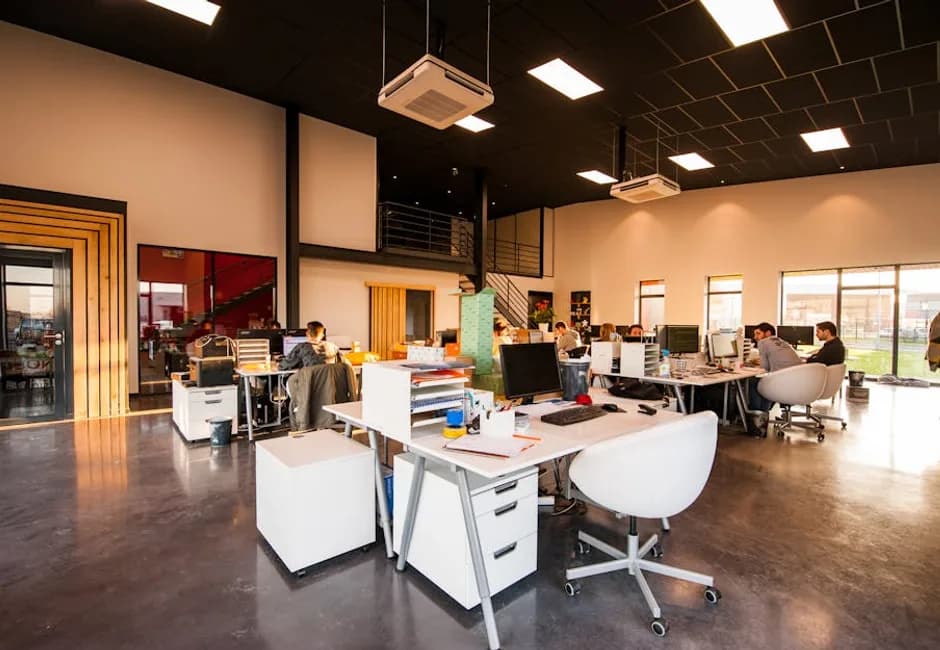
Restaurant HVAC is the toughest commercial HVAC discipline in the city. Four systems have to work together (kitchen exhaust, make-up air, dining-room cooling, dining-room heat), three regulatory bodies have opinions (Ontario Building Code, TSSA, Ontario Fire Code), and one missed detail can flunk a health inspection or back-draft gas appliances into your prep line. This guide walks through each system, 2026 GTA pricing, and the most common traps Toronto restaurant owners hit.
The Four Restaurant HVAC Systems
Every full-service restaurant in Toronto has these four interacting systems. Skip any one and the other three suffer.
Kitchen exhaust hood and fan
Captures grease, smoke, heat, and odours over the cookline. Sized by appliance heat load (BTU/hr) and hood length. Sheet-metal duct rises through the roof to a centrifugal upblast fan. Mandatory hood fire-suppression system tied to gas shutoff. Cleaning frequency set by NFPA 96 as referenced in the Ontario Fire Code.
Make-up air unit (MAU)
Replaces the air the kitchen exhaust removes, typically 80-100 percent of exhaust CFM. Pulls outside air through filters, tempers it (gas heater in winter; sometimes cooling in summer), and ducts it near the cookline. Without it: drafts, back-drafting gas appliances, slamming doors, miserable staff.
Dining-room cooling and heating
Separate from the kitchen exhaust loop. Usually one or two rooftop units (RTUs) for 1,500+ sq ft dining rooms, or a multi-zone ductless system for smaller / heritage / multi-area layouts. Sized for the actual occupant load plus solar gain through windows.
General ventilation (washrooms, dish pit, dry storage)
Code-required exhaust on washrooms (per OBC), often a dedicated exhaust on the dish pit, and minimum outside-air rates on the dining-room HVAC. Frequently undersized in tenant fit-outs because the original design was for retail or office use.
2026 Restaurant HVAC Costs (GTA)
Real installed prices for the most common restaurant HVAC scopes in the GTA in 2026.
| Scope | Typical Installed Price (CAD) |
|---|---|
| Kitchen exhaust hood (8-12 ft, Type 1) + upblast fan | $8,500 - $16,500 |
| Make-up air unit (MAU, 2,000-4,000 CFM, gas-fired) | $7,500 - $24,000 |
| Dining-room RTU (5-ton, single-stage) | $11,500 - $16,500 |
| Multi-zone ductless dining room (4-6 zones) | $18,500 - $35,000 |
| Full restaurant HVAC fit-out (2,000-3,000 sq ft) | $35,000 - $85,000 |
| Annual maintenance contract (full restaurant) | $1,800 - $3,800/year |
The Five Most Expensive Restaurant HVAC Mistakes
Patterns we see repeatedly when new restaurant owners take over an existing space or build out a fit-out.
- Undersized make-up air - inheriting a 1,200 CFM MAU when your new cookline needs 2,800 CFM. Result: back-drafting, draft complaints, eventually a TSSA flag.
- No dedicated dish-pit exhaust - dish-pit steam migrates into the dining room. Comfort tanks. Acoustic tile sags. Often a $2,500-$5,000 fix retrofitted.
- Original RTU sized for retail - a 5-ton RTU that worked for a clothing store cannot handle the heat load of 80 diners + cookline heat migration. Result: a 28C dining room every Saturday night.
- Hood not properly captured to cookline - hood overhangs are inadequate, capture velocity is wrong, or hood was sized before the cookline changed. Grease migrates into the dining room. Health inspection risk.
- Lapsed fire-suppression inspection - the hood suppression system must be inspected per the Ontario Fire Code and the suppression system manufacturer's requirements, a calendar requirement (not "we will get to it"). Lapsed cert is an immediate flag from Toronto Fire Services and triggers occupancy issues.
What EcoFrost Handles vs. What We Coordinate
Restaurant HVAC sits at the intersection of three trades. Clear scope upfront prevents finger-pointing later.
- EcoFrost handles: kitchen exhaust hood fabrication and install, make-up air unit installation and service, dining-room RTU and ductless systems, gas piping and venting, balancing, commissioning, annual HVAC maintenance.
- EcoFrost coordinates: hood cleaning (certified hood-cleaning vendor), fire-suppression inspection per the Ontario Fire Code and the manufacturer's requirements (suppression-systems contractor), grease-trap pumping (plumbing trade).
- Not in scope: walk-in cooler/freezer service (refrigeration specialty), ice machine plumbing, bar dispense glycol systems.
Ready to take the next step?
Get a Free Restaurant HVAC Assessment?Frequently Asked Questions
How much does HVAC cost for a Toronto restaurant?
What is a make-up air unit and why does my restaurant need one?
How often should a restaurant kitchen exhaust be cleaned?
Can I use ductless mini-splits in a restaurant dining room?
What ventilation code applies to my restaurant?
Does HVAC need to be running when health inspectors visit?
EcoFrost Heating & Cooling
Toronto's Trusted HVAC Experts Since 2015
Our certified HVAC technicians have completed 15,000+ installs across the Toronto area. We write about heating, cooling, and air quality from real field experience not marketing copy. Learn about us →