Ontario summers are getting hotter, and a struggling AC is more than uncomfortable - it can be a health risk. But not every problem means you need a new system. This guide breaks down the warning signs that are worth repairing and the signals that mean it is time to replace.
7 Signs Your AC Needs Repair
Warm or Lukewarm Air from Vents
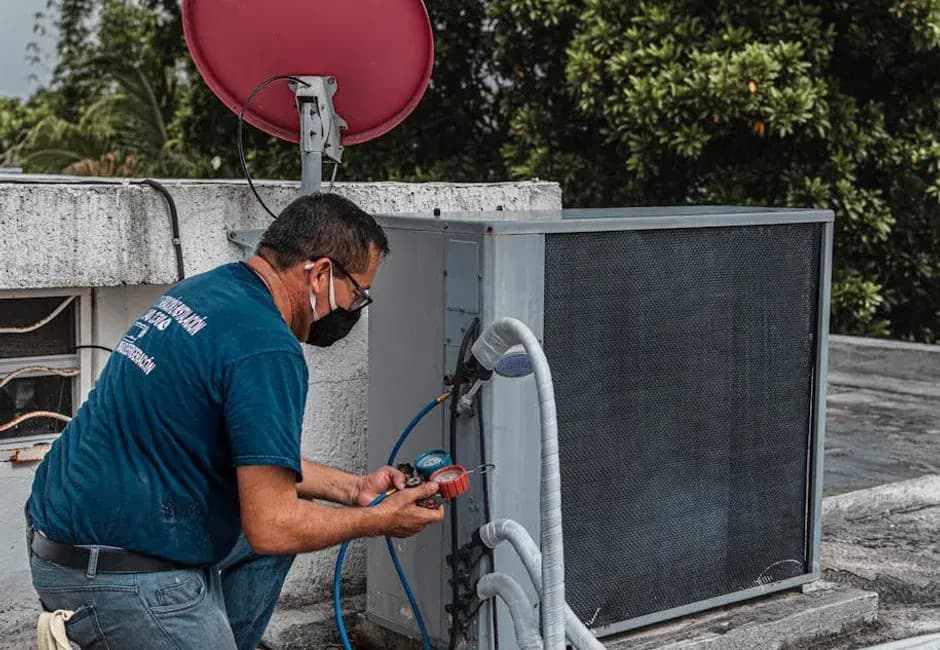
If your AC runs but pushes warm air, the most common causes are low refrigerant (a slow leak), a dirty evaporator coil, or a failed compressor. Low refrigerant is usually a repair. A failed compressor on a unit under 10 years old may also be worth repairing under warranty.
Short Cycling (Turns On and Off Every Few Minutes)
An AC that shuts off shortly after starting is short cycling. Causes include an oversized unit, a dirty air filter restricting airflow, low refrigerant, or a faulty thermostat. Most short cycling issues are fixable. Left unrepaired, short cycling strains the compressor and leads to premature failure.
Unusual Noises
Clicking at startup and shutdown is normal. Grinding, squealing, rattling, or banging are not. Grinding usually means the blower motor bearings are failing. Rattling may be a loose panel or debris in the unit. Squealing on startup can be a worn belt (older units) or refrigerant pressure issue. Most noise repairs are $150-$450.
Ice on the Refrigerant Lines or Outdoor Unit
Ice formation almost always indicates restricted airflow (dirty filter, blocked coil) or low refrigerant. Turn the AC off immediately if you see ice - running it with a frozen coil can burn out the compressor. Change the filter and let it thaw for 2 hours. If ice returns, you likely have a refrigerant leak.
Water Pooling Around the Indoor Unit
The indoor evaporator coil produces condensation that drains through a condensate line. If that line clogs with algae or debris, water backs up and drips or pools. This is a common and inexpensive repair - usually a drain flush ($79-$150). Do not ignore it; water damage to drywall and flooring is expensive.
Electricity Bills Spiking in Summer
A sudden spike in summer electricity costs - without a change in how much you are running the AC - often means the system is working harder than it should. Dirty coils, low refrigerant, or a failing compressor all reduce efficiency and increase runtime. An annual tune-up can catch these before they become costly.
Inconsistent Cooling Across Rooms
Hot spots in your home while the AC runs can mean a refrigerant issue, duct leaks, or a unit that is undersized for your square footage. If the issue developed suddenly (the AC cooled evenly before), it is likely a mechanical fault worth repairing. If it has always been an issue, your system may have been undersized from installation.
Ready to take the next step?
Book an AC Diagnostic4 Signs You Need AC Replacement Instead of Repair
Your AC Uses R-22 Refrigerant
Canada banned the production and import of R-22 (Freon) refrigerant in 2020. If your AC was installed before 2010, it almost certainly uses R-22. When an R-22 system develops a refrigerant leak, the only legal repair is to decommission the unit. Replacement is the only option, and it is actually a good one: a new system uses R410A or R-32, costs far less to operate, and may qualify for heat pump rebates of up to $7,500.
The System Is 12 to 15 Years Old With a Major Failure
A well-maintained central AC lasts 12-15 years in Ontario. If a system in this age range needs a compressor replacement ($900-$2,000) or evaporator coil replacement ($700-$1,400), the repair cost often approaches 40-60% of a new system. At that point, replacement makes more financial sense - especially given new equipment rebates.
The Compressor Has Failed and Is Out of Warranty
The compressor is the heart of your AC. On a unit under 5 years old with a valid warranty, replacement is covered. On an older unit, a failed compressor almost always signals end-of-life for the entire system. A new compressor costs $900-$2,000 in parts alone, and the rest of the system is at equal risk of failure.
You Have Had Two or More Repairs in One Season
Multiple repairs in a single cooling season is a clear sign the system is deteriorating across the board. Rather than chasing individual failures, replacing the unit gives you a new system warranty, modern efficiency (SEER2 ratings of 15+ vs. 10-12 on older units), and predictable costs.
The 50% Rule: A Simple Decision Framework
A widely used rule in the HVAC industry: if the repair cost exceeds 50% of the replacement cost, replace the system. Example: if a new AC costs $4,000 installed and the repair quote is $2,200, replace it. If the repair is $800, fix it. This rule is most useful for systems over 8 years old. For newer systems, repair is almost always the right call even at higher costs.
Switching from AC to Heat Pump: The Smart Upgrade
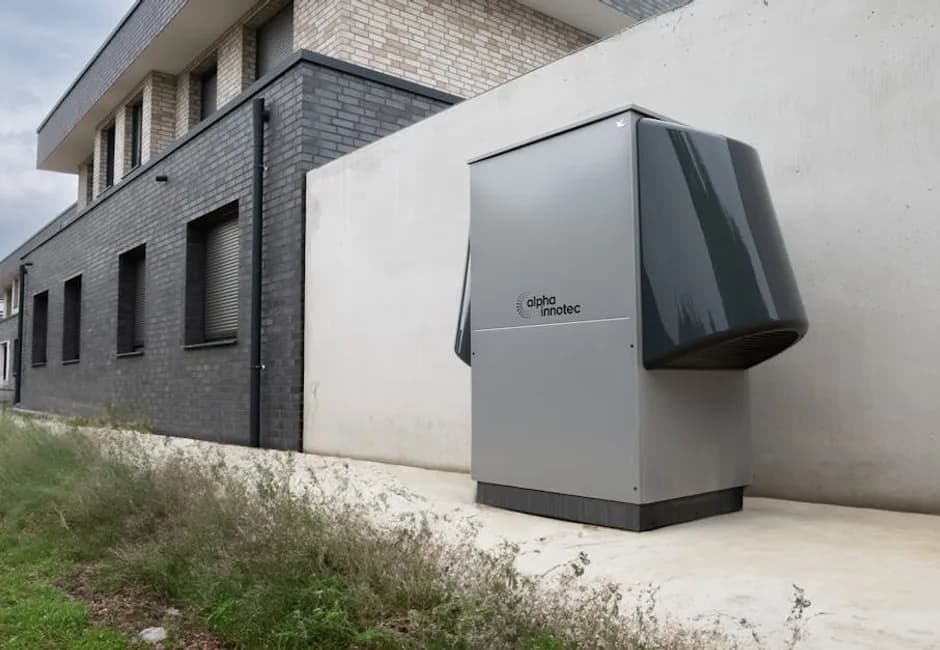
If your AC is due for replacement, this is the ideal time to consider an air-source heat pump. A heat pump provides both cooling in summer and efficient heating in winter, replacing your furnace's load during shoulder seasons. The HRS rebate reaches up to $7,500 for a qualifying cold-climate heat pump in a non-gas home ($2,000 for a natural-gas home), reducing the upgrade cost.
Ready to take the next step?
Get a Free AC Replacement Quote?Frequently Asked Questions
How much does AC repair cost in the GTA?
How long does AC repair take?
Is it worth repairing a 10-year-old air conditioner?
Does my AC need refrigerant added every year?
EcoFrost Heating & Cooling
Toronto's Trusted HVAC Experts Since 2015
Our certified HVAC technicians have served 5,000+ Toronto-area homes. We write about heating, cooling, and air quality from real field experience not marketing copy. Learn about us →