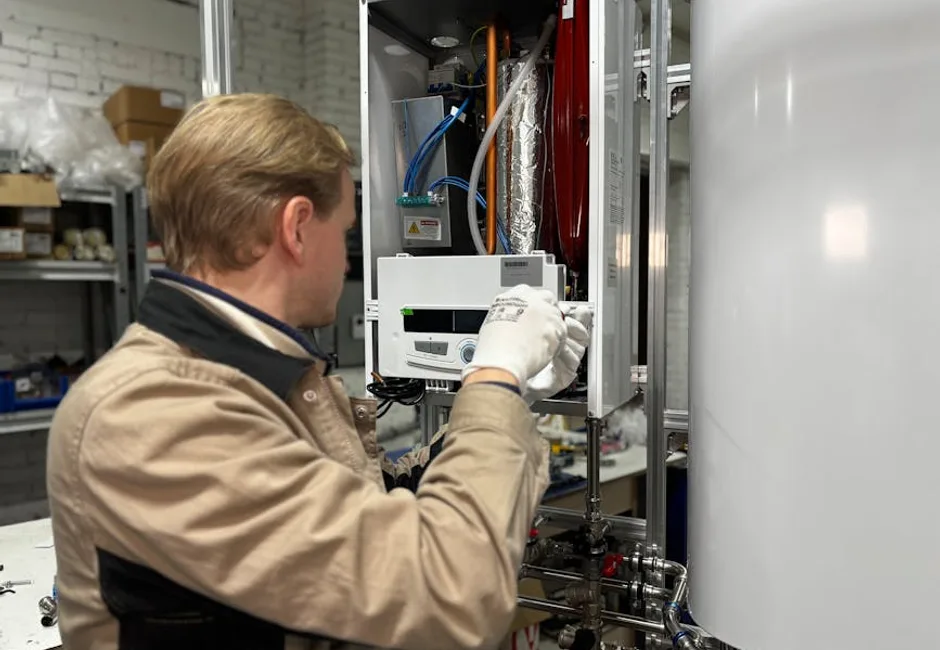
A furnace failure during an Ontario winter storm is a genuine emergency. Indoor temperatures can drop into the single digits within 4 to 8 hours in a poorly insulated GTA home, faster in older Mississauga or Brampton properties. The next 30 minutes after your furnace dies determine whether this is an inconvenient evening or a hospital trip. Here is the playbook our dispatch team walks panicked callers through during every January cold snap.
First 5 minutes: rule out the simple stuff
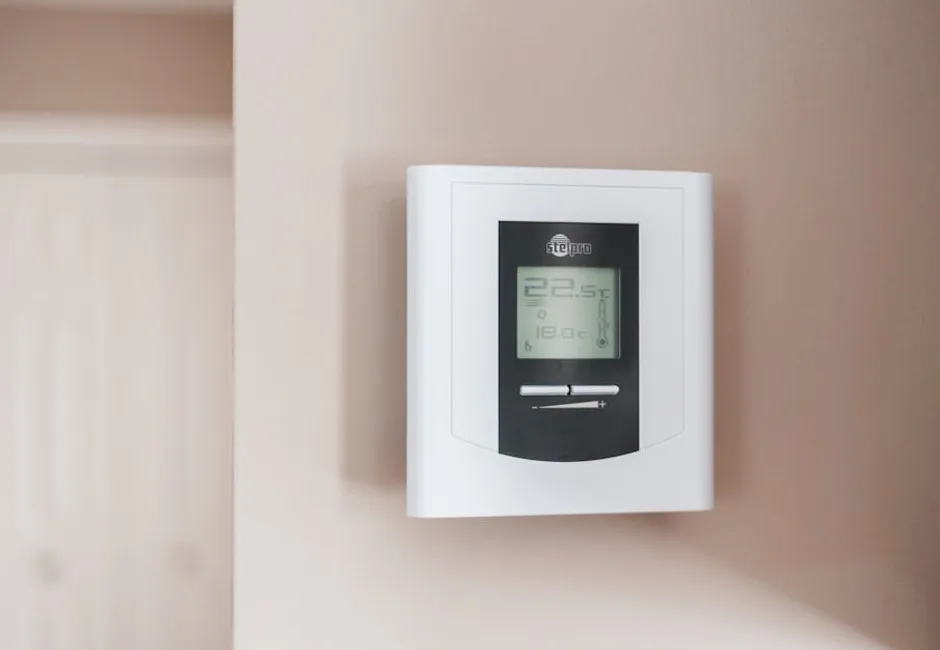
- Walk to your thermostat. Confirm it is set to HEAT (not OFF, AUTO, or COOL). Confirm setpoint is at least 3°C above current room temperature.
- If your thermostat has batteries, replace them. Dead batteries kill 1 in 8 "no heat" calls in our experience.
- Walk to the electrical panel. Look for the breaker labeled FURNACE or HEATING. If it is in the OFF or MIDDLE position, reset it ONCE (push fully OFF, then ON).
- Confirm the furnace switch (the wall switch beside the unit that looks like a light switch) is in the ON position. A bumped switch is a 5-second fix.
- Listen at the furnace. Do you hear the inducer motor running? A clicking sound? Total silence?
If any of the above fixes restore heat, run your furnace and call for a same-day service appointment to diagnose what caused the issue. Do not assume the problem is solved permanently.
Next 10 minutes: keep your home safe
Once you confirm the furnace is genuinely down, switch focus to safety and heat conservation:
- Close interior doors to unused rooms. Concentrate body heat in 1 or 2 rooms (ideally rooms with carpet over a heated basement below if possible).
- Close all blinds and curtains. Window glass loses heat 10x faster than insulated walls. This single step can slow temperature drop by 1°C per hour.
- Roll up towels and place them along door bottoms and window sills to block draft.
- Run the bath taps with HOT water for 30 seconds every 2 hours. This prevents pipes in exterior walls from freezing if temperatures drop fast.
- Open the cabinet doors under kitchen and bathroom sinks. Warmer indoor air reaches the pipes and reduces freeze risk.
- Layer clothing on yourself and family members BEFORE you feel cold. Once your core temperature drops it is much harder to recover.
- Move infants, seniors, and anyone with health conditions to the warmest room in the home.
Safe vs dangerous temporary heat sources
| Heat source | Safe? | Notes |
|---|---|---|
| Electric space heater (rated for indoor use) | YES with care | Plug directly into wall (no extension cord). Keep 1 metre clear of fabric/furniture. Do NOT leave running unattended overnight. |
| Gas fireplace (vented) | YES | If you have one and it works, use it. Verify CO alarm is functional before extended use. |
| Wood-burning fireplace with damper | YES with care | Use only seasoned dry wood. Damper must be functional. CO alarm essential. |
| Heated blankets and mattress pads | YES | Modern UL-listed units have auto shut-off. Read the label. |
| Kitchen oven with door open | NEVER | Major fire risk + carbon monoxide from gas ovens. Will not heat the home effectively anyway. |
| Charcoal or propane BBQ indoors | NEVER | Carbon monoxide will kill you within hours. This causes multiple deaths every Ontario winter. |
| Gasoline generator indoors or in attached garage | NEVER | Same CO risk. If running a generator for power, it must be outdoors at least 6 metres from any opening. |
| Unvented kerosene or propane heater | NEVER indoors | Indoor air quality and CO risk make these unsafe for residential use in Canada. |
How to get a tech dispatched during a storm (when everyone is overloaded)
During a major Ontario winter storm, every HVAC contractor in the GTA is fielding 5x to 10x normal call volume. Expect longer hold times and longer dispatch windows. To get to the front of the queue:
- Call EcoFrost at (416) 835-4775 immediately. We staff a live dispatcher 24/7/365. Do not waste time with online booking during emergencies.
- When you reach a dispatcher, lead with the specifics: occupants (infants, seniors, anyone with medical conditions), current indoor temperature, and what you have already checked. This moves you up the priority queue.
- Have your address ready, including any access notes (gate code, driveway condition, parking).
- Ask for an honest ETA, not a best-case one. Plan around the realistic window.
- If wait time exceeds 4 hours and you have vulnerable household members, ask the dispatcher about Red Cross warming centres or hotel options. Some insurance policies cover hotel stays during furnace failures - check your home insurance.
What an EcoFrost emergency tech brings to your door
During winter storm response, our trucks are pre-stocked with:
- Universal HVAC parts: hot surface igniters, flame sensors, pressure switches, capacitors, gas valves for all major brands (Lennox, Carrier, Goodman, Trane, Bryant, Rheem)
- Portable electric space heaters (loaner units) for cases where same-night repair is not possible
- CO meters to verify safe combustion before restarting the furnace
- Combustion analyzer to ensure the repair is correct and not just a temporary fix
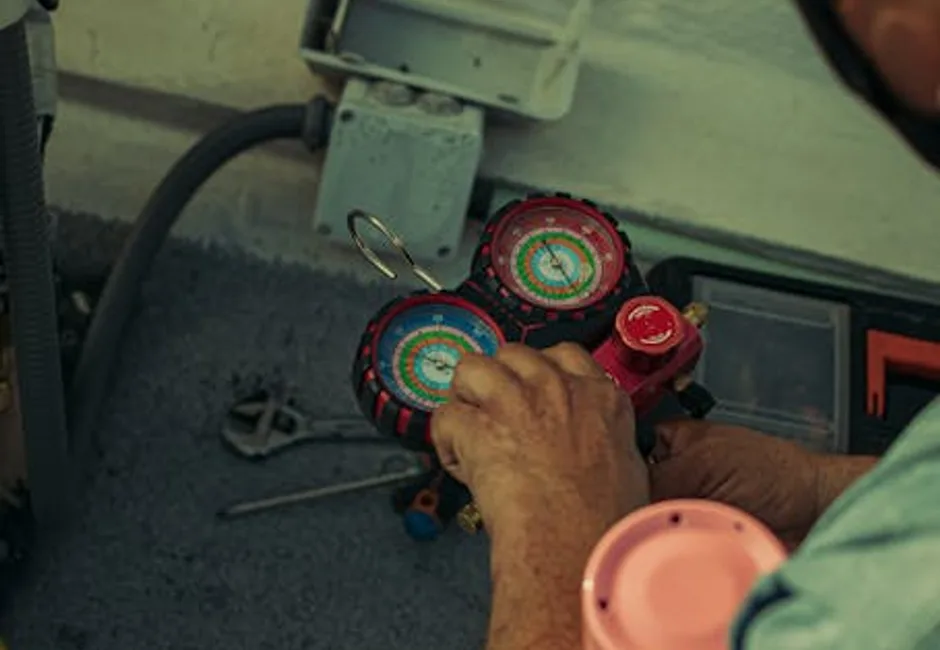
- Manifold gauges, refrigerant for related systems, and full toolkit
Same-night repair completion rate during storm calls: roughly 80 percent. The 20 percent that need a return visit get loaner heat and a guaranteed next-day return.
Cost expectations during storm callouts
EcoFrost does not charge overtime, weekend, or storm surcharges on residential service calls. Pricing during a January blizzard is identical to a Tuesday afternoon in May:
| Service | Price |
|---|---|
| Emergency dispatch fee | $0 (no residential overtime, no weekend, no holiday surcharge) |
| Diagnostic visit | $129 |
| Flame sensor cleaning or replacement | $165 to $245 |
| Hot surface igniter replacement | $245 to $385 |
| Pressure switch replacement | $245 to $345 |
| Inducer motor replacement | $385 to $785 |
| Loaner electric space heater (if same-night repair not possible) | $0 |
Most "panic moment" storm calls end up being a $250 to $500 repair, not the $5,000 replacement homeowners fear when they are sitting in a freezing house.
Prevent the next storm failure
Furnace failures during the coldest days are not random. They cluster on extreme cold days because that is when the furnace runs longest and works hardest. Three preventive steps catch 90 percent of "storm night" failures before they happen:
- Annual fall tune-up between September and early November. EcoFrost flat $149 catches 70 percent of pending failures.
- Change air filters every 60 days during heating season. A clogged filter is the #1 cause of "no heat" calls.
- Ask your technician to check the hot surface igniter at each tune-up. A worn igniter caught in the fall is a planned repair instead of a storm-night emergency.
Read our 7 signs your furnace needs repair for early-warning patterns most homeowners ignore.
Ready to take the next step?
Call (416) 835-4775 for 24/7 Emergency Furnace Repair?Frequently Asked Questions
How fast does a house lose heat when the furnace dies in winter?
Is it safe to use my kitchen oven for heat if my furnace dies?
Can I run a portable generator inside my garage during a power-related furnace outage?
How fast can EcoFrost dispatch during a winter storm?
What if my furnace dies and I cannot reach an HVAC contractor?
Will my home insurance pay for hotel costs if my furnace dies in a storm?
How much does emergency furnace repair cost in Ontario during a storm?
How can I prevent my furnace from dying during the next storm?
EcoFrost Heating & Cooling
Toronto's Trusted HVAC Experts Since 2015
Our certified HVAC technicians have completed 15,000+ installs across the Toronto area. We write about heating, cooling, and air quality from real field experience not marketing copy. Learn about us →