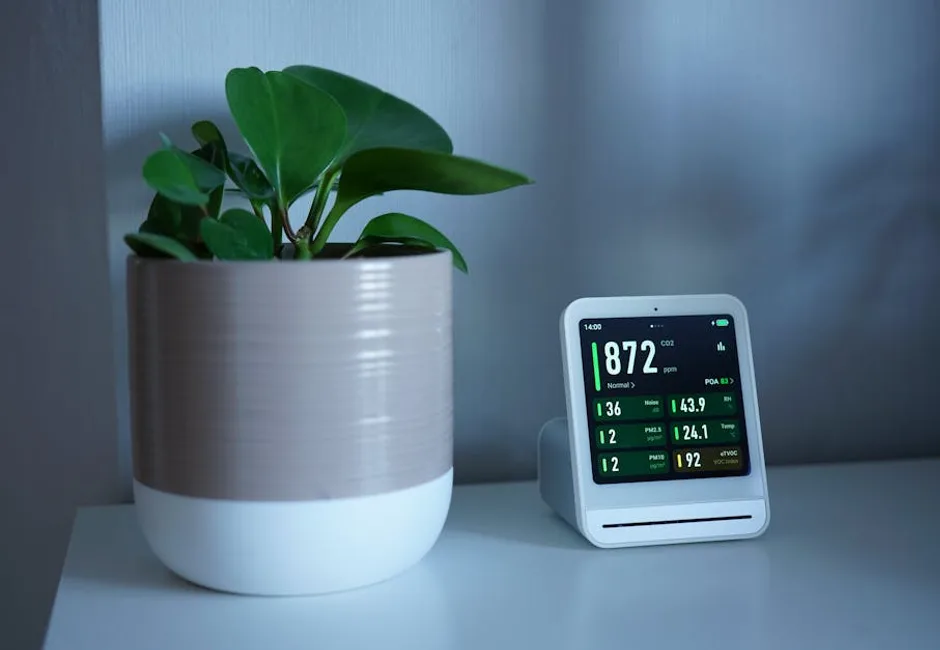
Ontario spring is rough for the 25 percent of Canadians with seasonal allergies. The HVAC system in your home can either AMPLIFY allergens (cheap filter, no maintenance, dirty ducts) or REDUCE them dramatically (MERV 13 filter, sealed ducts, HRV-filtered ventilation, smart fan scheduling). This guide walks through the 5 things that actually move the needle.
The 5-Step Spring HVAC Allergy Setup
Run through this checklist in March. Most steps take an hour or less of your time, or a single EcoFrost service visit.
Upgrade to a MERV 11 or MERV 13 filter
The single biggest move. MERV 11 captures 65 to 80 percent of 1 to 3 micron particles (most pollen). MERV 13 captures 90 percent+. Cost: $15 to $40 per filter, replaced every 2 to 3 months during pollen season.
Set the thermostat fan to "On" not "Auto" during peak pollen days
This circulates air through the filter continuously. Adds roughly $10 to $20 per month to electricity bills but moves indoor pollen counts down 30 to 50 percent.
Add a whole-home air cleaner if symptoms persist
Whole-home high-efficiency air cleaners ($700 to $2,500 installed) are the next step. For severe asthma or persistent symptoms despite MERV 13 + fan circulation, this is the upgrade that works.
Service the AC before pollen season
Spring tune-up cleans the evaporator coil and inspects the drain pan for mold. A dirty coil grows mold that gets dispersed every time the AC runs. EcoFrost $149 AC tune-up handles this; book in March or April before demand spikes.
Consider an HRV for the ventilation air
If your home is tight (post-2000 build or post-air-sealing retrofit), the fresh air you bring in for ventilation is a major pollen entry point. An HRV with a MERV 13 pre-filter cleans incoming air before it ever reaches the living space.
What Does NOT Help (Despite Marketing)
Several IAQ products are oversold for allergy relief. Save your money:
- Ionizer / ozone generators: Ozone is an upper-airway irritant. Many "ionizers" produce ozone as a side effect. Avoid for households with asthma or respiratory issues.
- Standalone UV-C lamps: Useful as an add-on to filtration, useless as a standalone allergy treatment. They do not capture pollen.
- $30 "anti-allergen" sprays for ducts: No durable benefit. The duct surface is not where pollen accumulates; the air stream is. Filtration solves the air stream.
- Duct cleaning marketed as "allergy season specials": Useful every 3 to 7 years. Annual duct cleaning is largely marketing.
Ready to take the next step?
Book Your Spring AC Tune-Up + Filter Check?Frequently Asked Questions
When does allergy season start in Ontario?
What MERV rating do I need for allergies?
Should I close my windows during pollen season?
Does running the AC help with allergies?
Should I clean my ducts every spring?
EcoFrost Heating & Cooling
Toronto's Trusted HVAC Experts Since 2015
Our certified HVAC technicians have completed 15,000+ installs across the Toronto area. We write about heating, cooling, and air quality from real field experience not marketing copy. Learn about us →